How do you perform a basic brake inspection?
Your vehicle’s brakes are essential for your safety on the road, and understanding how to check them can help you spot potential issues early. While a full brake inspection should always be handled by a professional, there are basic steps every driver can take to assess brake condition between service visits. Knowing what to look for can prevent costly repairs, improve performance, and give you peace of mind every time you drive.
Performing a basic brake inspection involves looking at key components like the pads, rotors, and fluid, as well as paying attention to how your brakes feel and sound. Let’s take a closer look at what’s involved in a simple inspection and when to schedule a professional brake system inspection.
Why Regular Brake Inspections Matter
Your braking system naturally wears down over time. Every time you hit the brakes, friction and heat cause gradual wear to the pads, rotors, and hydraulic components. Without proper maintenance, this wear can lead to reduced stopping power or even complete brake failure.
Regular inspections allow you to catch small issues before they turn into major repairs. They also help extend the lifespan of your brake pads and rotors, keeping your vehicle safe and efficient. Whether you drive short city commutes or long highway miles, consistent brake maintenance is key to reliable performance.
Step 1: Listen for Unusual Sounds
A basic brake inspection starts with your senses. Pay attention to the noises your brakes make during everyday driving. Common sounds include:
-
Squealing or screeching: Usually a sign that the brake pad wear indicators are contacting the rotors, meaning it’s time for a brake pad replacement.
-
Grinding: Indicates metal-on-metal contact, suggesting the pads are completely worn and the rotors may be damaged.
-
Clicking or rattling: Can point to loose hardware or caliper movement.
If you hear any of these noises, it’s time to schedule an inspection right away. Ignoring them can lead to more expensive brake replacement service down the road.
Step 2: Feel for Changes in the Brake Pedal
Next, pay attention to how your brake pedal feels under your foot. A properly functioning pedal should feel firm and responsive.
-
If the pedal feels soft or spongy, it could indicate air in the brake lines or a leak in the hydraulic system.
-
If it’s hard to press, the issue might be a failing brake booster or blocked line.
-
A pulsating pedal often signals warped rotors or uneven pad wear.
These symptoms suggest it’s time for a professional brake repair or brake fluid change to restore proper performance.
Step 3: Check Brake Fluid Level and Condition
Brake fluid is the lifeblood of your braking system. It transmits hydraulic pressure from the pedal to the wheels. Over time, it can absorb moisture and lose its effectiveness.
Locate the brake fluid reservoir under the hood—it’s usually near the back of the engine bay. Make sure the fluid level is between the “MIN” and “MAX” lines on the container. If it’s low, it could be due to pad wear or a leak.
Also, inspect the color and clarity. Clean brake fluid is light amber or clear, while old or contaminated fluid appears dark brown or murky. If the fluid looks dirty or smells burnt, it’s time for a brake fluid change performed by a certified technician.
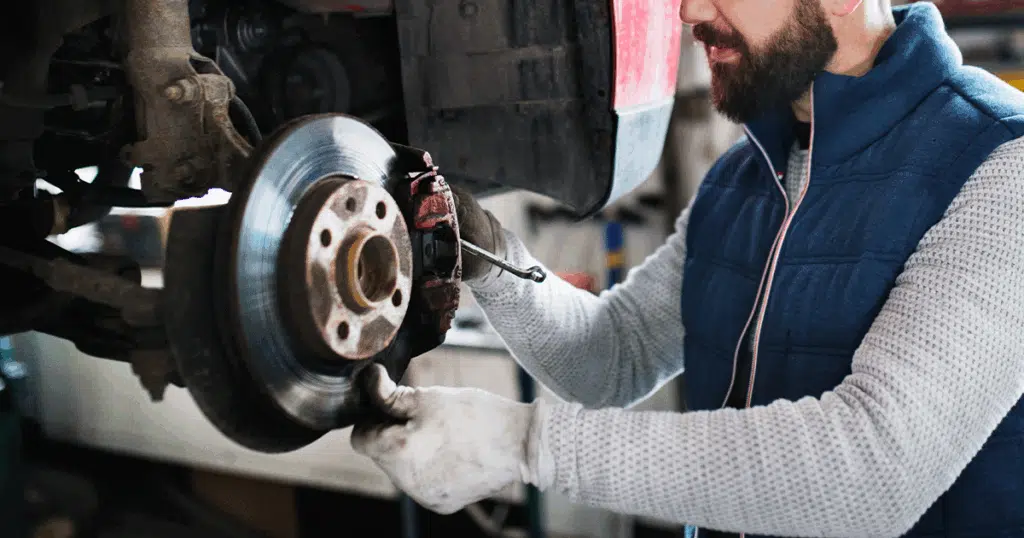
Step 4: Visually Inspect the Brake Pads and Rotors
If your vehicle allows you to see through the wheel spokes, you can often check your brake pads and rotors without removing the tire.
-
Brake pads: Look for thickness. Pads should generally be at least 1/4 inch thick. Anything thinner should be replaced soon to avoid damaging the rotors.
-
Rotors: Inspect for scoring, grooves, or rust. A smooth, even surface is ideal. Warped or uneven rotors can cause vibrations and reduced braking efficiency.
For a more detailed inspection, a technician will remove the wheels to measure pad thickness accurately and check for caliper alignment or uneven wear.
Step 5: Pay Attention to Vehicle Behavior
During a drive, how your car reacts to braking tells you a lot about system health. Notice if your vehicle:
-
Pulls to one side when braking
-
Takes longer to stop than usual
-
Vibrates or shakes when the brakes are applied
-
Displays a brake warning light on the dashboard
These issues may indicate worn brake components, uneven pressure, or air in the hydraulic system. Early diagnosis through professional brake maintenance prevents further wear and keeps you safe behind the wheel.
When to Schedule a Professional Brake Inspection
While a basic inspection helps identify obvious issues, a trained technician can perform a complete evaluation with precision tools. Professionals check pad wear, measure rotor thickness, test fluid quality, and examine the hydraulic lines and calipers in detail.
If it’s been more than a year since your last service—or you notice any warning signs—it’s time for a professional checkup. For practical advice and maintenance intervals, see the Top Tips for Routine Brake System Inspections in Richmond, CA.
Scheduling regular inspections ensures every part of your braking system works together for smooth, safe performance.
Affordable Brake Repair and Maintenance Services
When searching for a car brake shop near me or brake repair near me, it’s important to choose experienced professionals who prioritize quality and safety. Magallanes Automotive Repair in Richmond, CA, provides affordable brake repair, brake pad replacement, and full front and rear brake service for all makes and models.
Their certified technicians perform detailed brake system inspections, accurate diagnostics, and reliable repairs using high-quality parts. From routine maintenance to complete brake replacement service, Magallanes Automotive Repair is committed to helping drivers stay safe on the road.
Learn More About Brake Care
To explore more about how your vehicle’s brakes work and how to maintain them, visit the Complete Guide to Brake Repair and Maintenance in Richmond, CA. This resource provides detailed insights into the components of your braking system, common issues, and how to prevent costly repairs with regular maintenance.
Schedule Your Brake Service Today
If your vehicle’s brakes are showing signs of wear—or if it’s time for a routine inspection—Magallanes Automotive Repair is ready to help. Their skilled technicians offer honest assessments, dependable service, and a commitment to customer satisfaction.
Call (510) 235-6202 today to schedule your appointment. Magallanes Automotive Repair proudly serves Richmond and nearby communities with professional, affordable brake services that keep your vehicle safe and reliable year-round.