What is included in a brake inspection?
Your vehicle’s brakes are one of its most essential safety systems. Whether you’re driving in heavy traffic, down steep hills, or through California’s winding roads, reliable brakes are crucial for maintaining control. A professional brake inspection helps ensure your system is working properly, prevents unexpected failures, and extends the life of your braking components.
But what exactly is included in a brake inspection? Understanding what a technician checks during this process can help you stay proactive about maintenance and identify problems before they turn into costly repairs.
The Purpose of a Brake Inspection
A brake inspection is a comprehensive evaluation of your vehicle’s braking system. It’s designed to check the condition, wear, and performance of each component—from the pads and rotors to the fluid and lines. The goal is to detect any signs of wear, leaks, or damage early on so they can be corrected before they affect your safety or your wallet.
During the inspection, technicians perform a combination of visual checks, measurements, and tests to confirm that everything is functioning as intended. This process forms the foundation for proper brake repair and ongoing brake maintenance.
Components Checked During a Brake System Inspection
A complete brake system inspection includes several steps and covers multiple components. Here’s what’s typically included:
1. Brake Pads
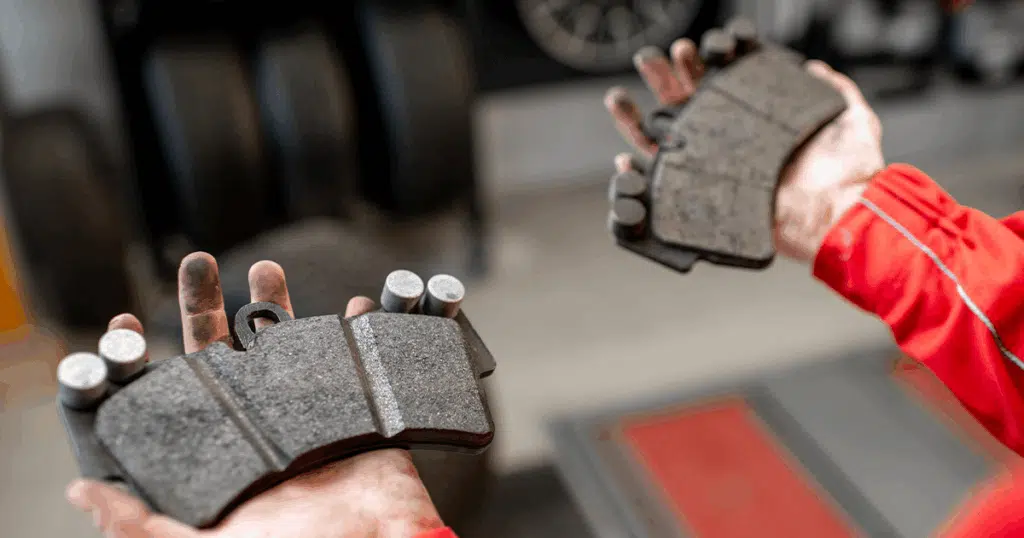
The brake pads are one of the most important parts of the system because they create friction that slows your vehicle. A technician measures the pad thickness and checks for uneven wear, cracking, or contamination from oil or debris. If the pads are too thin or worn, a brake pad replacement may be recommended.
2. Rotors or Drums
Brake rotors (or drums on some vehicles) work with the pads to generate the stopping force. Over time, they can develop grooves, warping, or heat spots. The inspection includes checking rotor thickness and surface condition. If resurfacing or replacement is needed, it’s addressed before it leads to vibrations or uneven braking.
3. Calipers
Calipers apply pressure to the pads against the rotors. During an inspection, technicians ensure the calipers are moving freely and not sticking, leaking, or seizing. Any issues here can cause uneven braking or damage to the pads and rotors.
4. Brake Lines and Hoses
The brake lines and hoses deliver hydraulic pressure to each wheel. A careful visual inspection checks for cracks, leaks, rust, or bulging areas that could cause fluid loss and reduce braking power.
5. Brake Fluid
A brake fluid change is sometimes recommended after inspection if the fluid is dirty, low, or contaminated with moisture. Technicians check the color, clarity, and level of the fluid in the master cylinder. Maintaining clean brake fluid is essential to preserving hydraulic performance and preventing corrosion in the brake lines.
6. Master Cylinder
The master cylinder is the heart of the hydraulic braking system. A brake inspection ensures it’s free of leaks and that the seals and piston are functioning properly. If the master cylinder fails, you may experience a soft or sinking pedal—something no driver wants to encounter.
7. Parking Brake
The parking or emergency brake is also tested for proper engagement and release. If cables are stretched, rusted, or out of adjustment, they’ll be serviced or replaced to ensure reliable operation.
Signs You Should Schedule a Brake Inspection
Even with regular maintenance, brakes can show signs of wear between service intervals. Schedule a professional inspection if you notice any of the following:
-
Squealing, grinding, or squeaking noises
-
A brake warning light on your dashboard
-
Vibration or pulsing when pressing the brake pedal
-
Reduced braking power or longer stopping distance
-
A spongy or soft brake pedal feel
Ignoring these warning signs can lead to more significant repairs, such as rotor replacement or hydraulic system damage. A timely brake inspection can help identify and fix issues early.
Top Tips for Routine Brake System Inspections in Richmond, CA
If you’re unsure how often to have your brakes inspected, following a few best practices can keep your car in top shape. Top Tips for Routine Brake System Inspections in Richmond, CA provides guidance on scheduling regular inspections, recognizing warning signs, and understanding the importance of preventive maintenance.
As a general rule, it’s wise to have your brakes checked at least once a year or every 12,000 miles. However, if you drive frequently in stop-and-go traffic or hilly terrain, more frequent inspections may be necessary.
Why Professional Brake Inspections Matter
While some drivers may attempt to check their brakes at home, only a trained professional can thoroughly evaluate all components. A certified technician can detect subtle issues—like uneven wear patterns, fluid contamination, or caliper binding—that may go unnoticed during a quick DIY check.
Professional brake repair and maintenance also ensure that your vehicle’s braking performance meets safety standards. Having a qualified shop perform your brake system inspection provides peace of mind that your vehicle is safe for everyday driving.
Affordable Brake Repair and Maintenance
When searching for a car brake shop near me or brake repair near me, it’s important to choose a facility that combines experience, honesty, and affordability. Magallanes Automotive Repair in Richmond, CA, offers affordable brake repair services performed by experienced technicians who specialize in all aspects of brake replacement service, front and rear brake service, and ongoing maintenance.
Their team uses quality parts and precision testing methods to ensure every job is completed to the highest standard. Whether you need a routine brake inspection, a brake fluid change, or a full brake system overhaul, you can trust Magallanes Automotive Repair to keep your car safe and reliable.
Learn More About Brake Care
For more details about how your braking system works, the types of repairs available, and the importance of preventive maintenance, visit the Complete Guide to Brake Repair and Maintenance in Richmond, CA. This comprehensive guide explains everything drivers should know to maintain strong, responsive brakes throughout their vehicle’s lifespan.
Schedule Your Brake Service Today
A regular brake inspection can make all the difference in keeping you and your passengers safe on the road. Whether it’s time for your annual checkup or you’ve noticed changes in your braking performance, Magallanes Automotive Repair is ready to help. Their certified technicians provide honest recommendations, quality parts, and reliable results every time.
Call (510) 235-6202 today to schedule your next brake inspection. Magallanes Automotive Repair proudly serves Richmond and surrounding communities, offering trusted, affordable brake maintenance and repair services for every type of vehicle.