Your vehicle’s brakes are one of its most critical safety systems, responsible for bringing your car to a safe stop every time you drive. Over time, however, components within the braking system wear down or lose efficiency, which can lead to longer stopping distances, unusual noises, or a softer brake pedal feel. Regular brake inspections are essential to ensure your car remains safe, reliable, and efficient on the road.
For drivers in Richmond, CA, Magallanes Automotive Repair provides professional brake system inspection and maintenance services designed to identify potential problems before they become costly repairs. This guide covers everything you need to know about routine brake inspections, including what’s included, how basic inspections are performed, and what you can expect to pay for brake inspection services in California.
By following these top tips and keeping up with regular maintenance, you can extend the life of your braking system and maintain the smooth, confident stopping power your vehicle was built for.
Why Brake System Inspections Are So Important
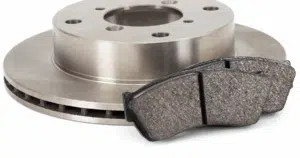 A brake inspection is one of the simplest and most effective ways to ensure your safety on the road. Your brakes are constantly exposed to heat, friction, moisture, and debris. Without regular maintenance, these elements can cause the brake pads, rotors, and other components to deteriorate faster than expected.
Neglecting your brakes can result in reduced performance, strange noises, vibrations, or even brake failure. Routine brake maintenance and inspections help prevent these issues by identifying worn parts and leaks early on.
In addition to safety, regular inspections help you save money. By catching minor problems early—such as worn brake pads or low fluid levels—you can avoid expensive repairs to rotors, calipers, or the hydraulic system later.
When searching for a car brake shop near me or brake repair near me, it’s important to choose a service center with experienced technicians who can perform thorough inspections and provide affordable brake repair solutions. Magallanes Automotive Repair in Richmond, CA, offers comprehensive brake services that ensure your system stays in top condition year-round.
What Is Included in a Brake Inspection?
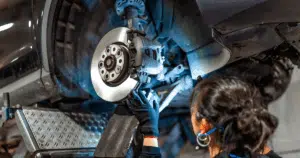 A professional brake system inspection involves more than just checking the pads. It’s a detailed process that examines all key components that contribute to safe, reliable stopping power.
Here’s what’s typically included in a full brake inspection:
1. Brake Pads and Rotors
The technician measures brake pad thickness and inspects the rotors for scoring, cracks, or uneven wear. If the pads are worn beyond the recommended thickness or the rotors are damaged, a brake pad replacement or rotor resurfacing may be required.
2. Calipers
Calipers play a crucial role in applying pressure to the brake pads. During an inspection, the technician checks for signs of leaks, corrosion, or sticking pistons. Proper caliper function ensures even braking pressure across all wheels.
3. Brake Lines and Hoses
Brake lines and hoses carry hydraulic fluid throughout the system. They’re inspected for leaks, cracks, or corrosion that could compromise fluid pressure. Even a small leak can affect braking efficiency, so this step is essential.
4. Brake Fluid
Brake fluid is checked for level, color, and condition. Over time, brake fluid absorbs moisture, reducing its effectiveness. If it appears dark or contaminated, a brake fluid change is recommended to restore proper hydraulic performance.
5. Master Cylinder
The master cylinder converts pedal pressure into hydraulic force. Technicians inspect it for leaks and test its operation to ensure consistent braking power.
6. Hardware and Parking Brake
A complete brake inspection includes evaluating hardware like springs, clips, and the parking brake mechanism to confirm they’re functioning correctly.
7. Test Drive and Performance Check
After visual and mechanical checks, a technician may perform a road test to evaluate pedal feel, responsiveness, and any abnormal noises or vibrations. This step confirms that all components are working as expected under real driving conditions.
By completing each of these steps, technicians can identify exactly what your vehicle needs to maintain peak braking performance.
How Do You Perform a Basic Brake Inspection?
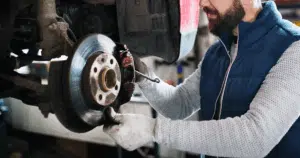 While a professional inspection provides the most accurate results, drivers can perform basic checks at home to stay aware of their brake system’s condition. These checks won’t replace a full inspection but can help you recognize when it’s time to schedule a professional evaluation.
Step 1: Listen for Unusual Sounds
Pay attention to squealing, grinding, or clicking noises when you brake. Squealing often means the pads are worn and need replacing, while grinding suggests metal-on-metal contact, which can damage the rotors.
Step 2: Feel the Pedal
Notice how your brake pedal feels when pressed. A soft or spongy pedal could indicate air in the brake lines or a leak, while a hard pedal might mean a problem with the brake booster or hydraulic system.
Step 3: Check Brake Fluid
Locate the brake fluid reservoir under the hood and ensure the level is between the “MIN” and “MAX” marks. The fluid should appear clear or light amber. If it’s dark, contaminated, or low, schedule a brake fluid change as soon as possible.
Step 4: Inspect Pad Thickness
If you can see through your wheel spokes, look at the brake pads. If they appear less than a quarter-inch thick, it’s time for replacement. Uneven wear could also point to caliper or rotor issues that need attention.
Step 5: Look for Warning Lights
Modern vehicles often include dashboard warning lights for brake issues. If the brake warning light or ABS light comes on, schedule a brake system inspection immediately.
Step 6: Observe Vehicle Behavior
If your car pulls to one side, shakes when braking, or takes longer to stop, these are all indicators that your brakes may need professional attention.
A basic brake inspection helps you catch early signs of wear, but for complete confidence and safety, rely on certified technicians who can perform a full evaluation. Magallanes Automotive Repair provides thorough inspections that identify both visible and hidden issues affecting your braking system.
How Much Is a Brake Inspection in California?
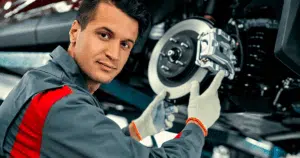 The cost of a brake inspection in California varies based on several factors, including the type of vehicle, the depth of the inspection, and the shop’s labor rates. Most basic inspections are reasonably priced and represent one of the best values in preventative maintenance. A simple check can identify early signs of wear, leaks, or corrosion before they lead to costly repairs or unsafe driving conditions. Investing in a regular inspection gives you confidence that your brakes are functioning properly and keeps you informed about upcoming maintenance needs.
While the exact cost can differ from one shop to another, the most important factor isn’t the price—it’s the quality of the inspection itself. A trusted technician will thoroughly check your braking system, explain their findings clearly, and answer your questions honestly. They’ll identify any areas that need attention and provide an estimate for recommended services, ensuring you can make an informed decision about how to move forward. A quality inspection goes beyond just looking at the pads and rotors—it examines how the entire system works together to deliver safe and reliable performance.
Factors That Affect Brake Inspection Costs
Vehicle Type: Larger or heavier vehicles like trucks, SUVs, and vans often have more complex braking systems. Vehicles equipped with advanced safety technology, such as anti-lock braking systems (ABS) or electronic brake-force distribution, may require additional diagnostic time and specialized tools.
Inspection Level: Not all inspections are the same. A quick visual check focuses on obvious wear, while a detailed multi-point inspection involves measuring pad thickness, testing brake fluid condition, examining hydraulic lines, and checking sensors. A comprehensive inspection may cost slightly more but provides a much clearer understanding of your system’s overall health.
Additional Services: If issues are identified—such as worn brake pads, contaminated brake fluid, or corrosion on the rotors—your technician may recommend follow-up services like a brake pad replacement, rotor resurfacing, or a brake fluid change. These add-on services are optional but essential for maintaining performance and safety.
Why Brake Inspections Are Worth It
A professional brake inspection is a small investment that can prevent major expenses in the future. For example, replacing worn brake pads promptly can prevent damage to the rotors and calipers, saving you hundreds of dollars. Regular inspections also help maintain optimal braking performance, providing smoother stops, better control, and improved safety. Well-maintained brakes can even extend the life of related components like tires and suspension parts by ensuring even pressure distribution and consistent stopping power.
When searching for an affordable brake repair facility in Richmond, CA, choose certified professionals who provide honest, detailed evaluations. Magallanes Automotive Repair offers complete brake inspections performed by experienced technicians who use advanced diagnostic tools to detect issues early. Their team delivers clear feedback, trustworthy recommendations, and dependable service—helping drivers stay safe, confident, and informed every mile of the way.
How Often Should You Schedule a Brake Inspection?
Most automotive experts recommend having your brakes inspected at least once a year or every 12,000 miles. However, drivers who frequently commute in stop-and-go traffic, drive in hilly areas, or tow heavy loads should schedule inspections more often.
In Richmond, where drivers experience both city and highway conditions, frequent inspections help keep your system in optimal shape. During each service visit, technicians can detect small issues like uneven pad wear, fluid leaks, or corrosion before they become serious problems.
To learn more about brake maintenance schedules and best practices, visit the Complete Guide to Brake Repair and Maintenance in Richmond, CA. This guide covers essential tips for maintaining your braking system, understanding warning signs, and extending the lifespan of your vehicle’s components.
Signs You May Need a Brake System Inspection Sooner
Even with regular maintenance, your brakes may show signs that an inspection is needed right away. Common indicators include:
-
Squealing, grinding, or screeching noises
-
Vibrations or shaking during braking
-
A soft or unresponsive pedal
-
A burning smell after braking
-
The vehicle pulling to one side when stopping
-
Warning lights illuminated on your dashboard
If you notice any of these symptoms, schedule a brake inspection immediately. Addressing the issue early prevents further damage and ensures your safety behind the wheel.
Choosing the Right Brake Shop for Inspections and Repairs
When looking for a car brake shop near me, you want a team that combines experience, honesty, and precision. Magallanes Automotive Repair in Richmond, CA, provides professional brake inspections, maintenance, and repairs for all vehicle makes and models.
Their technicians are trained to identify issues quickly and provide cost-effective solutions. Whether you need a brake pad replacement, brake fluid change, or complete front and rear brake service, they deliver high-quality results using trusted parts and techniques.
Their focus on affordable brake repair ensures you never have to choose between safety and value. Every inspection is completed with attention to detail, ensuring your car’s braking system operates smoothly for miles to come.
Benefits of Regular Brake Maintenance
Regular brake maintenance doesn’t just improve safety—it also enhances overall vehicle performance and reliability. Well-maintained brakes respond faster, reduce wear on tires and suspension components, improve fuel efficiency, and provide smoother driving every time you hit the road.
Some key benefits include:
-
Extended lifespan for brake pads, rotors, and calipers
-
Reduced risk of costly repairs
-
Improved fuel efficiency through smoother driving
-
Increased safety and control in emergency situations
By keeping up with routine inspections and maintenance, you’re making a long-term investment in your vehicle’s reliability.
Schedule a Professional Brake System Inspection Today
Your brakes deserve expert attention from certified professionals who care about your safety. If it’s been a year or more since your last brake inspection—or if you’re noticing unusual signs—it’s time to schedule a visit.
Magallanes Automotive Repair offers comprehensive inspections, affordable brake repair, and reliable maintenance services for all types of vehicles. Their team ensures every detail is checked, from brake pad wear to fluid quality, giving you confidence on every drive.
Call (510) 235-6202 today to schedule your brake inspection or service appointment. Magallanes Automotive Repair proudly serves drivers in Richmond, CA, and surrounding areas, providing professional, trustworthy brake care that keeps you safe on the road.