Why Does My Car Fail a Smog Check?
If you’ve ever taken your car in for a smog check only to be told it failed, you know how frustrating it can be. Not only does it prevent you from renewing your registration in California, but it often means additional repair costs and another trip to the test station. Understanding why vehicles fail smog checks can help you avoid the problem, save money, and ensure your car passes inspection the first time.
What Is a Smog Check and Why Is It Required?
A smog check measures the emissions your vehicle produces to ensure it meets California’s strict air quality standards. It’s designed to identify cars releasing excessive pollutants caused by engine problems, fuel system issues, or failing emissions components. In California, most vehicles are required to pass a smog test every two years as part of the registration renewal process.
Smog checks are also required when selling or transferring a vehicle, unless the vehicle qualifies for an exemption such as being electric, hybrid, or under four model years old. Because failing a smog check directly impacts your ability to legally drive, it’s essential to understand what causes these failures.
Common Reasons Cars Fail Smog Checks
Several common issues can cause your car to fail an emissions test. Here are the most frequent culprits:
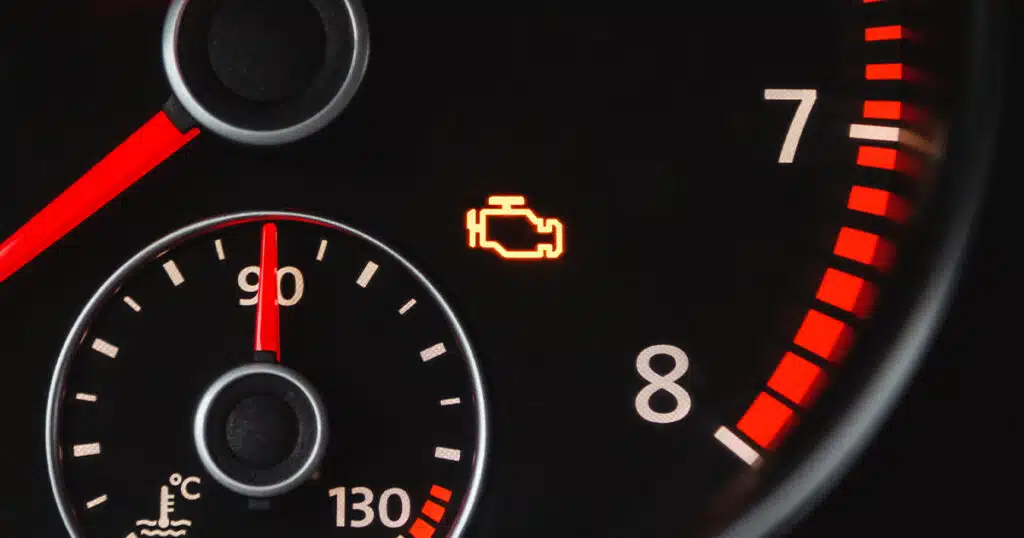
Check Engine Light On
If your check engine light is illuminated, your car will automatically fail a smog test. This is because the light indicates a fault code stored in your vehicle’s computer that affects emissions. Even minor issues like a loose gas cap can trigger this light, so it’s important to have it diagnosed before testing.
Faulty Oxygen Sensor
The oxygen sensor monitors the exhaust gases leaving your engine to ensure the right fuel-to-air ratio. A malfunctioning sensor can cause your car to run too rich or too lean, resulting in high emissions and poor fuel economy. Replacing a faulty oxygen sensor is one of the most common smog-related repairs.
Bad Catalytic Converter
Your catalytic converter is critical for reducing harmful emissions by converting toxic gases into less harmful ones. If it’s failing or clogged, your car won’t meet emissions standards. Symptoms of a failing catalytic converter include sluggish performance, reduced fuel efficiency, and unusual smells from the exhaust.
Evaporative Emissions (EVAP) System Leaks
The EVAP system prevents gasoline vapors from escaping into the atmosphere. Leaks in this system, often caused by damaged hoses or faulty components, can trigger the check engine light and lead to smog test failure.
Dirty Air Filter or Fuel Issues
A clogged air filter or poor fuel quality can affect how your engine burns fuel, resulting in higher emissions. While less severe than some issues, these can still cause a smog failure.
Worn Spark Plugs or Ignition Problems
Misfiring spark plugs or a failing ignition system can lead to incomplete combustion, increasing hydrocarbon emissions and causing a failed test.
How to Prevent Smog Check Failure
The good news is that most smog check failures are preventable. Here’s how to improve your chances of passing:
Get Your Car Serviced Regularly
Routine maintenance such as oil changes, spark plug replacement, and air filter changes can keep your engine running efficiently and your emissions low.
Check Your Gas Cap
A loose or damaged gas cap is a small issue that can lead to big problems during testing. Make sure your cap is secure and in good condition before your appointment.
Warm Up Your Engine
Arrive at the smog station with your car fully warmed up. A warmed engine helps ensure accurate readings and better performance during testing.
Address the Check Engine Light Before Testing
Never attempt a smog test with an active check engine light. Have your vehicle scanned by a qualified technician to identify and fix the underlying issue first.
Use a STAR Certified Test and Repair Station
Choosing a STAR certified station ensures your vehicle is inspected and repaired to the highest standards, meeting all state requirements for emissions testing.
What to Do If Your Car Fails
If your car fails its smog check, don’t panic. The test results will provide a report indicating the reasons for failure. Bring this report to a certified repair shop where technicians can diagnose the problem accurately and make the necessary repairs. Afterward, you can retest your car for compliance.
In some cases, vehicles may qualify for a Consumer Assistance Program (CAP) through the state, which offers financial aid for smog-related repairs. Ask your repair shop for guidance if you believe you might qualify.
Final Thoughts
Failing a smog check is inconvenient but often avoidable. Regular maintenance, paying attention to your check engine light, and addressing small issues before they escalate can help you pass your test and keep your vehicle running efficiently.
If your vehicle has failed a smog check or you want to ensure it passes the first time, Magallanes Automotive Repair can help. Our ASE-certified technicians provide professional diagnostics and emissions-related repairs to keep your car in compliance with California standards.
Call (510) 235-6202 to schedule your smog-related service.