How Often Should I Replace My Brakes?
Your brakes are one of the most critical safety components on your vehicle. Whether you’re stopping suddenly to avoid a hazard or slowing down on a steep hill, you depend on your brake system to respond instantly. But how often should you replace your brakes, and what signs should you watch out for? Understanding brake maintenance intervals and warning signs can help keep you safe on the road and prevent costly repairs.
Why Brake Maintenance Is Important
Brakes naturally wear down over time from regular use. Each time you press the brake pedal, friction is created between your brake pads and rotors, gradually reducing their thickness and effectiveness. Failing to replace worn brakes in time can lead to longer stopping distances, increased risk of accidents, and even damage to other parts of the braking system.
General Guidelines for Brake Replacement
There isn’t a one-size-fits-all answer for how often brakes need replacement because it depends on several factors including your driving style, vehicle type, and road conditions. However, most brake pads should be replaced every 30,000 to 70,000 miles.
Front brakes typically wear out faster than rear brakes since they handle more stopping force. Your owner’s manual is the best place to find the manufacturer’s recommended service intervals for your specific vehicle.
Factors That Affect Brake Life
Brake lifespan varies significantly based on how and where you drive. Here are a few factors that influence wear:
-
Driving habits: Aggressive driving with frequent hard braking wears out pads more quickly, while smoother driving extends their life.
-
Traffic conditions: City driving with stop-and-go traffic causes faster brake wear than highway driving.
-
Vehicle weight: Larger vehicles or those carrying heavy loads put more strain on the brakes.
-
Brake material: Organic pads wear out faster, while semi-metallic and ceramic pads tend to last longer.
-
Environment: Driving in hilly or mountainous areas where braking is frequent can reduce brake pad life.
Signs Your Brakes Need to Be Replaced
Even if you’re not tracking mileage, your vehicle often gives warning signs when it’s time for brake service. Watch for these indicators:
-
Squealing or screeching sounds: High-pitched noises usually mean your brake pads are worn and need replacement.
-
Grinding noises: A grinding sound indicates metal-on-metal contact, which can damage rotors and become costly to fix.
-
Soft or spongy brake pedal: If the pedal feels less responsive, it may signal worn pads, low brake fluid, or air in the brake lines.
-
Vibration when braking: Pulsating or shaking through the pedal may indicate warped rotors or uneven pad wear.
-
Dashboard brake warning light: This can be triggered by worn pads, low fluid, or another brake system issue.
-
Longer stopping distances: If it takes more time to stop your car than usual, it’s a clear sign your brakes need attention.
How to Extend the Life of Your Brakes
Good driving habits and regular maintenance can help you get the most from your brakes. Here are some tips to extend their lifespan:
-
Avoid hard braking when possible: Anticipate stops early and slow down gradually.
-
Downshift on hills: In vehicles with manual or automatic manual-shift modes, downshifting can reduce strain on brakes.
-
Get regular inspections: Have your brakes checked during routine maintenance or whenever you notice unusual sounds or changes in performance.
-
Keep your brake system clean: Dirt and debris can accelerate wear on pads and rotors.
What Happens During a Brake Service?
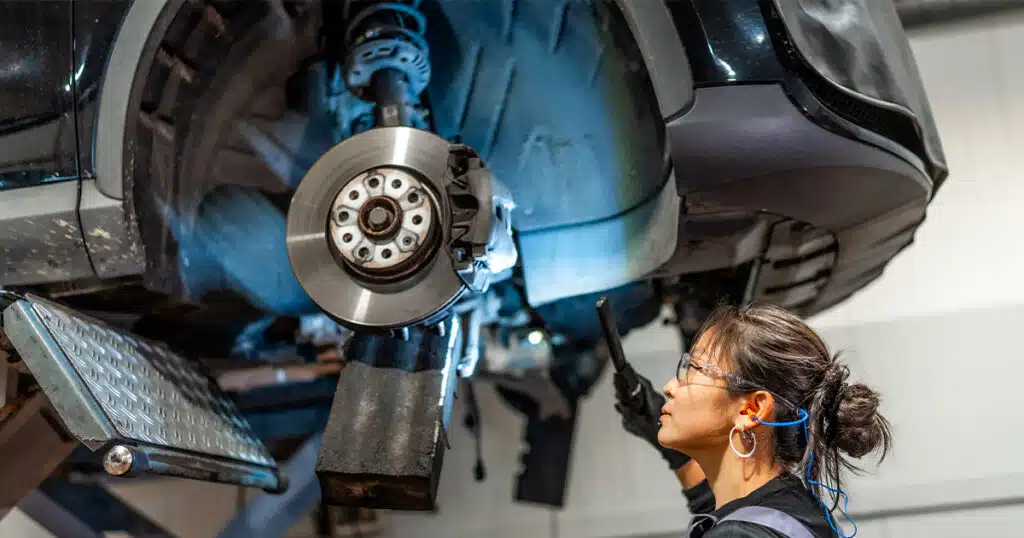
During a brake service, a technician will inspect your brake pads, rotors, calipers, and fluid levels. If pads are worn, they will be replaced, and the rotors may be resurfaced or replaced depending on their condition. The technician will also check for any leaks or issues in the hydraulic system to ensure your brakes are operating safely and effectively.
When to Have Your Brakes Checked
Even if you haven’t hit the mileage threshold for replacement, you should have your brakes inspected at least once a year or whenever you bring your car in for routine maintenance. Early detection of brake wear can prevent more serious and expensive issues.
If you hear unusual noises, notice reduced braking power, or see the brake warning light come on, don’t wait. These symptoms can indicate a serious problem that needs immediate attention.
Keep Your Brakes in Top Shape
Brake maintenance isn’t just about performance—it’s about safety. Knowing how often to replace your brakes and recognizing the signs of wear ensures you stay in control behind the wheel.
If you think your brakes might need to be replaced or you’re due for an inspection, don’t delay. At Magallanes Automotive Repair, our ASE-certified technicians provide thorough brake inspections and expert replacements to keep you safe on the road.
Call (510) 235-6202 today to schedule your brake service.