Your engine is the heart of your vehicle. When it begins to malfunction, the symptoms can range from subtle performance changes to severe overheating and complete breakdown. Many drivers searching for engine repair near me do so after noticing warning lights, strange smells, fluid leaks, or loss of power. Understanding the early signs of engine trouble—especially issues involving the head gasket—can help you act quickly and prevent far more expensive damage.
This guide explains the common warning signs that you may need engine repair or head gasket repair in Richmond CA. It also answers frequently asked questions about repair costs, whether a blown head gasket ruins an engine, and how to decide between repair and replacement. For a broader overview of drivetrain concerns, including how engine problems affect shifting performance, see the Engine and Transmission Repair Guide In Richmond CA.
What Does The Head Gasket Do?
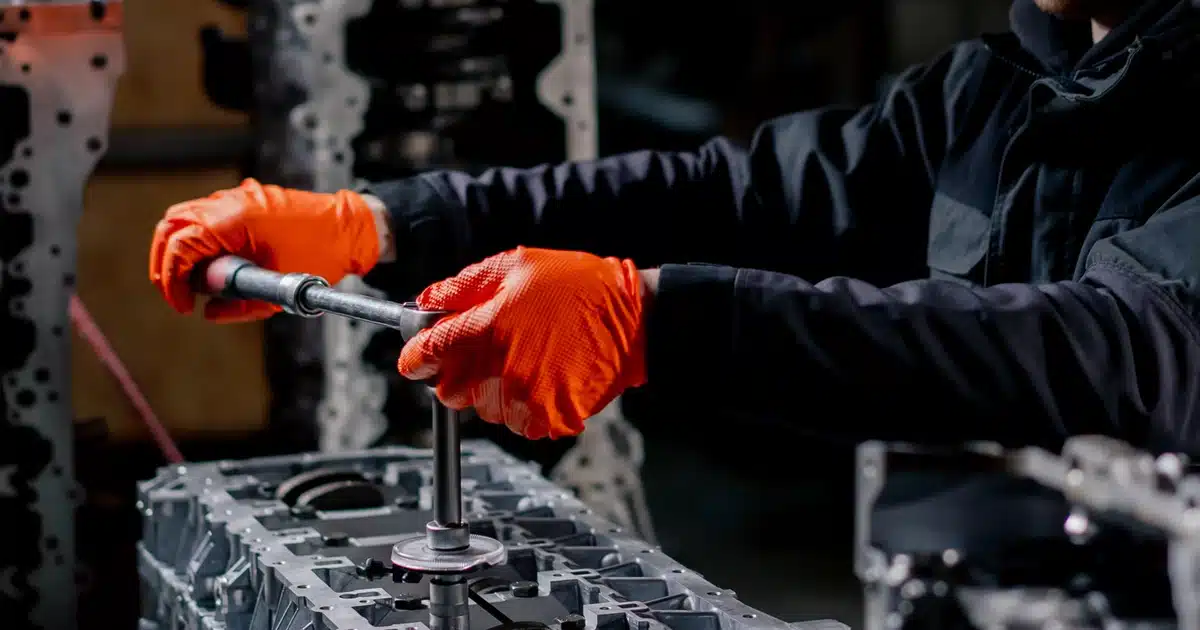 Before identifying failure symptoms, it is helpful to understand the function of the head gasket. The head gasket sits between the engine block and the cylinder head. It seals combustion chambers and keeps engine oil and coolant flowing through separate internal passages.
When functioning properly, the head gasket allows combustion pressure to remain inside the cylinders while coolant and oil circulate without mixing. When it fails, combustion gases, coolant, and oil can leak into areas where they do not belong. This is why head gasket repair is considered a critical engine repair service.
Common Signs You May Need Engine Or Head Gasket Repair
Recognizing the early warning signs of engine trouble can make the difference between a manageable repair and a costly engine replacement. Many drivers begin searching for engine repair near me only after symptoms become severe. However, head gasket repair and other internal engine services are far more affordable and effective when addressed early. Below are some of the most common indicators that your vehicle may require professional evaluation in Richmond CA.
Persistent Overheating
Overheating is one of the clearest and most serious warning signs of head gasket failure. If your temperature gauge consistently rises above normal operating range or you see steam coming from under the hood, immediate engine repair is necessary.
A blown head gasket can allow combustion gases to enter the cooling system. When this happens, coolant circulation becomes disrupted and pressure builds inside the system. This pressure prevents coolant from flowing efficiently, which leads to rising engine temperatures.
Continued driving while overheating can warp cylinder heads, damage pistons, and crack the engine block. What may begin as a relatively contained head gasket repair can escalate into full engine replacement if ignored. Overheating should never be dismissed as a temporary issue.
White Smoke From The Exhaust
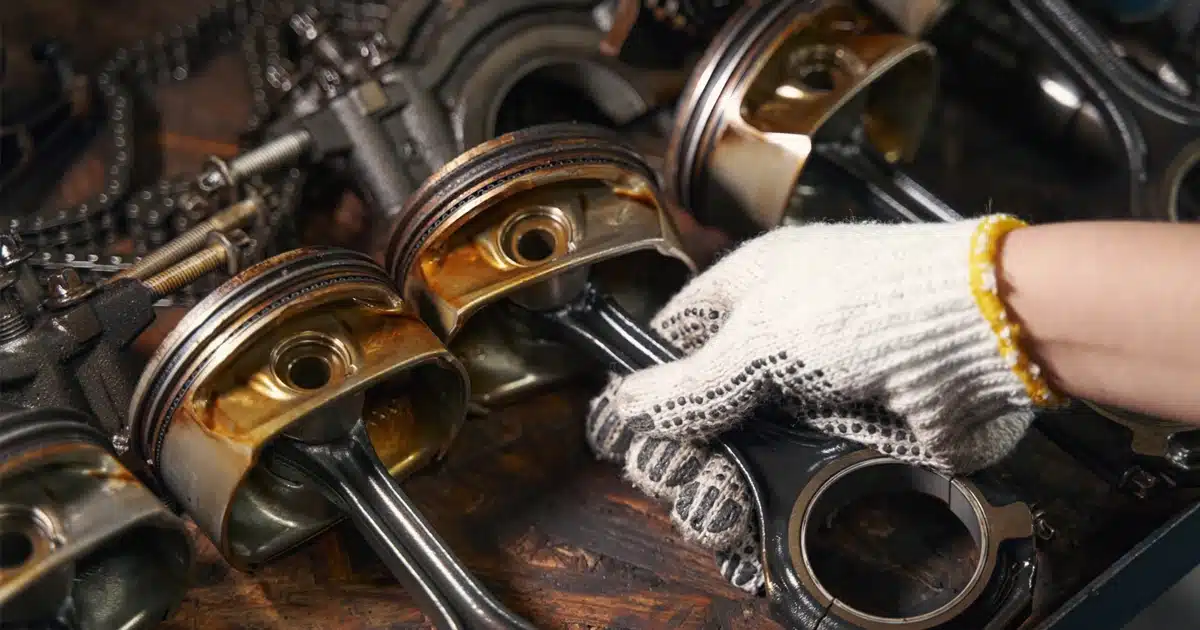 If you notice thick white smoke coming from your exhaust, especially after the engine has warmed up, it may indicate coolant entering the combustion chamber. This is one of the classic signs that head gasket repair may be required.
It is important to distinguish between harmless condensation and persistent smoke. On cold mornings, light vapor is normal for a few minutes. However, continuous white smoke that lingers and carries a slightly sweet smell often signals burning coolant.
When coolant mixes with air and fuel during combustion, it creates visible vapor. This not only affects engine performance but can also damage oxygen sensors and catalytic converters if left untreated. Prompt engine repair helps prevent additional component damage.
Milky Residue On The Oil Cap
Engine oil leak repair typically addresses external leaks, but internal contamination presents a much more serious concern. If you remove your oil cap and see a milky, frothy, or creamy residue, coolant may be mixing with engine oil.
This mixture reduces oil’s ability to lubricate moving parts. Without proper lubrication, internal components such as bearings, camshafts, and crankshafts experience increased friction and wear. The longer contaminated oil circulates through the engine, the greater the risk of permanent damage.
Immediate engine repair is necessary when oil contamination is detected. Driving with compromised lubrication can quickly lead to catastrophic failure.
Unexplained Coolant Loss
If your coolant levels continue to drop but you cannot find visible leaks under the vehicle, internal leakage may be occurring. A failing head gasket can allow coolant to enter the combustion chamber or mix with engine oil.
This issue often accompanies overheating, white exhaust smoke, or rough engine performance. Because coolant loss may initially appear minor, some drivers delay service. However, repeated top-offs without identifying the cause can mask a developing head gasket repair need.
Routine inspections and pressure testing help confirm whether coolant is escaping internally.
Check Engine Light Activation
Many drivers first seek check engine light repair when a warning appears on the dashboard. While the check engine light can indicate minor sensor problems, it can also signal serious combustion irregularities linked to head gasket failure.
Diagnostic scanning retrieves stored codes that may reveal cylinder misfires, cooling system performance issues, or abnormal combustion pressure readings. Interpreting these codes accurately requires professional equipment and experience.
Ignoring a check engine light increases the risk that small problems become larger engine repair issues. Prompt diagnosis protects both performance and long-term reliability.
Rough Idling Or Misfires
Engines that idle roughly, hesitate during acceleration, or misfire may require fuel system cleaning or ignition system service. However, when these symptoms occur alongside coolant loss or overheating, head gasket repair becomes a strong possibility.
A compromised gasket can reduce compression in one or more cylinders. Reduced compression disrupts combustion efficiency, leading to uneven engine operation. Drivers may notice vibration at idle, reduced power, or hesitation during acceleration.
Because misfires can originate from multiple causes, comprehensive engine repair diagnostics are essential. Addressing the root problem early prevents additional stress on pistons, valves, and other internal components.
Recognizing these warning signs and responding quickly can prevent significant damage. Early intervention keeps head gasket repair manageable and protects the overall health of your engine.
Is It Cheaper To Fix A Blown Head Gasket Or Replace The Engine?
This is one of the most common concerns among drivers facing serious engine issues. The answer depends on the extent of damage.
When Head Gasket Repair Is The Better Option
If the engine block and cylinder heads remain structurally sound, head gasket repair is usually significantly less expensive than full engine replacement. Early detection plays a major role in keeping costs manageable.
Prompt engine repair prevents secondary damage such as warped cylinder heads or cracked blocks. In these cases, replacing the gasket and resurfacing components may restore full function.
When Engine Replacement Becomes Necessary
If overheating has caused severe internal damage, replacement may be more practical. Extended driving with coolant mixing into oil can damage bearings, pistons, and crankshafts.
A professional evaluation determines whether the engine can be repaired safely or if replacement is the more reliable solution. Accurate diagnosis prevents unnecessary spending and ensures long-term reliability.
What Is The Average Price For A Head Gasket Repair?
Head gasket repair costs vary significantly based on vehicle type, engine design, and the extent of damage present at the time of diagnosis. While some engines allow relatively straightforward access to the cylinder head, others require extensive disassembly, increasing both labor time and overall cost.
Several key factors influence the total price of head gasket repair:
Engine configuration (inline, V6, V8, etc.)
Extent of overheating damage
Whether cylinder head resurfacing is required
Replacement of associated components such as timing belts, head bolts, or water pumps
Engine layout plays a major role. Inline engines often provide easier access, while V6 and V8 configurations may require removal of additional components before reaching the head gasket. Labor complexity directly impacts pricing.
The degree of overheating damage is another major consideration. If the cylinder head has warped due to excessive heat, resurfacing may be necessary to restore a proper seal. In more severe cases, cracked components may require replacement, increasing costs.
Technicians may also recommend replacing related components while the engine is disassembled. For example, replacing a water pump or timing components during head gasket repair can prevent future labor duplication.
Because every vehicle differs, precise pricing requires inspection and diagnostic testing. Drivers searching for engine repair near me should expect a professional evaluation before receiving an accurate estimate.
Is An Engine Ruined If The Head Gasket Is Blown?
A blown head gasket does not automatically mean the engine is ruined. The outcome depends on how long the vehicle was driven after failure.
Minor Damage Scenarios
If overheating was minimal and addressed quickly, head gasket repair may fully restore engine function without long-term consequences.
Severe Damage Scenarios
Driving for extended periods while overheating can warp cylinder heads, crack engine blocks, and contaminate oil. In these cases, additional engine repair services may be necessary, increasing cost and complexity.
Early diagnosis significantly improves the chances of successful repair without total replacement.
Other Engine Problems That May Mimic Head Gasket Failure
Not all overheating or performance problems indicate head gasket failure. Professional diagnosis helps differentiate between:
-
Radiator or cooling system leaks
-
Thermostat malfunction
-
Water pump failure
-
Engine oil leak repair needs
-
Ignition system issues
-
Fuel system cleaning requirements
Because multiple systems interact within the engine, comprehensive evaluation prevents misdiagnosis.
The Connection Between Engine And Transmission Health
While this page focuses on engine and head gasket repair, it is important to understand the relationship between engine performance and transmission operation. Poor engine performance can strain transmission components.
Drivers seeking transmission repair near me may discover that underlying engine issues caused shifting irregularities. Similarly, transmission fluid leak repair or overheating can affect overall drivetrain balance.
Comprehensive service ensures both systems function properly.
Preventative Maintenance Reduces Major Repairs
Regular maintenance reduces the risk of severe engine failure.
-
Timely coolant changes prevent corrosion
-
Oil changes protect internal components
-
Addressing small leaks early prevents overheating
-
Responding promptly to check engine light repair prevents escalation
Routine inspections allow technicians to identify small issues before they require major engine repair.
When To Seek Immediate Engine Repair
Seek immediate service if you experience:
-
Persistent overheating
-
Thick white exhaust smoke
-
Milky oil
-
Strong coolant smell
-
Sudden loss of power
-
Severe knocking or tapping noises
Delaying engine repair increases the likelihood of catastrophic failure.
Why Professional Diagnosis Matters
Head gasket repair is not a simple gasket swap. It requires careful disassembly, surface inspection, and precision reassembly. Proper torque specifications and inspection of related components are critical.
Magallanes Automotive Repair approaches engine repair with a thorough diagnostic process. By evaluating cooling systems, combustion pressures, and fluid condition, the shop ensures accurate identification of the problem before recommending solutions.
Schedule Engine Or Head Gasket Repair In Richmond CA
If you are experiencing overheating, white smoke, coolant loss, or performance changes, do not wait for the problem to worsen. Early intervention often prevents far more expensive repairs.
Call (510) 235-6202 to speak with Magallanes Automotive Repair or contact the shop by visiting the contact page to schedule an inspection. Professional engine repair and head gasket repair services help protect your vehicle’s performance and reliability on Richmond roads.