Fluid leaks are among the most common reasons drivers search for transmission repair near me or engine repair near me. Whether you notice red fluid under your vehicle, dark oil spots on your driveway, or a burning smell while driving, leaks should never be ignored. Engine oil and transmission fluid both play essential roles in lubrication, cooling, and internal system performance. When those fluids escape, serious mechanical damage can follow.
Understanding what causes transmission fluid and engine oil leaks helps you take action early and avoid major repairs. This guide explains why vehicles leak, how much repairs typically cost, and the five most common causes of transmission fluid leaks. For a broader look at how engine and transmission systems interact, see the Engine and Transmission Repair Guide In Richmond CA.
Why Is My Car Leaking Oil And Transmission Fluid?
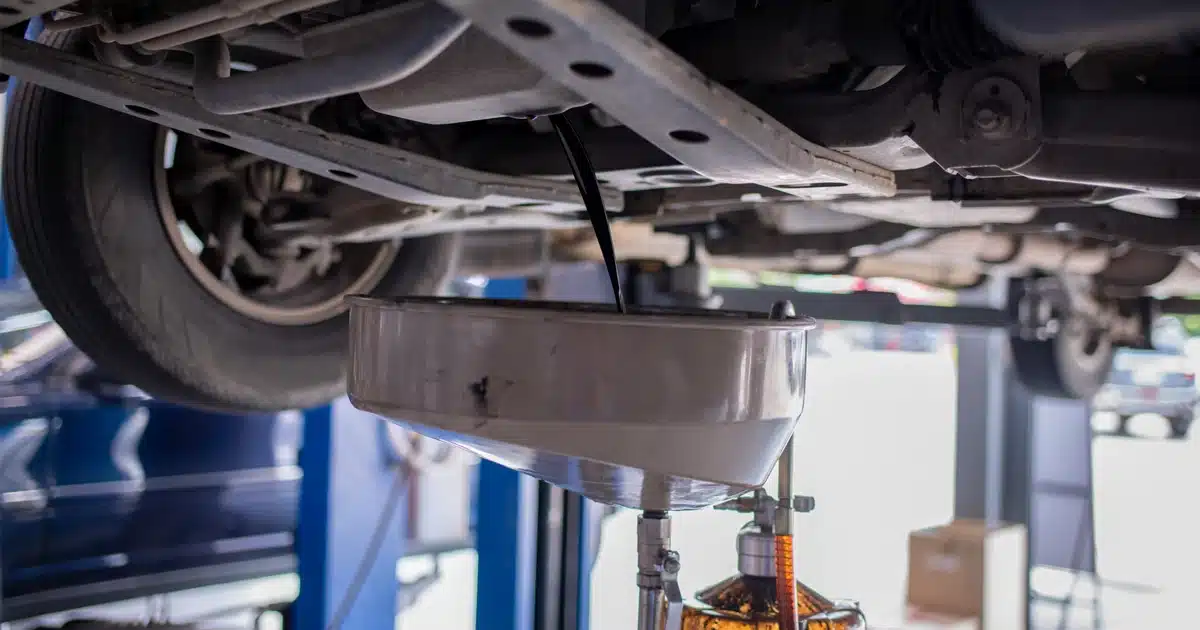 Seeing fluid beneath your vehicle can be alarming. The first step is identifying which fluid is leaking.
Engine oil is usually dark brown or black and may leave thick spots. Transmission fluid is often red or pink when fresh and may darken over time. Both fluids serve critical protective functions. Engine oil lubricates moving parts inside the engine, while transmission fluid regulates hydraulic pressure, reduces friction, and removes heat.
There are several reasons your vehicle may leak both fluids.
Aging Seals And Gaskets
Over time, seals and gaskets harden due to repeated heating and cooling cycles. Rubber components lose flexibility and begin to crack. When this happens, fluid escapes through weakened areas.
Engine oil leak repair commonly involves replacing worn valve cover gaskets, oil pan gaskets, or crankshaft seals. Similarly, transmission fluid leak repair often requires replacing pan gaskets or output shaft seals.
Excessive Heat
Richmond driving conditions, including stop-and-go traffic and warm weather, can increase operating temperatures. Heat accelerates deterioration of seals and causes fluid breakdown. Overheated engines may also require head gasket repair if coolant loss or combustion pressure problems occur.
When overheating contributes to leaks, addressing cooling system concerns becomes part of the overall engine repair strategy.
Improper Maintenance
Skipping scheduled fluid changes can increase internal pressure and contaminate fluid. Dirty fluid becomes abrasive, wearing down seals and increasing the likelihood of leaks.
Routine maintenance significantly reduces the need for major transmission repair or engine repair later.
Impact Damage
Road debris, potholes, or curb impacts can crack oil pans or transmission housings. Even minor damage may create small leaks that worsen over time.
Drivers searching for transmission shop near me after noticing sudden leaks often discover that impact damage is the cause.
High Mileage Wear
As vehicles age, internal components naturally wear. Repeated vibration and thermal expansion weaken gasket surfaces. High-mileage vehicles are more prone to both engine oil leak repair and transmission fluid leak repair needs.
What Are The 5 Common Causes Of Transmission Fluid Leaks?
 Transmission fluid leaks are particularly concerning because low fluid levels quickly lead to slipping gears and internal damage. Here are the five most common causes.
1. Worn Transmission Pan Gasket
The pan gasket seals the bottom of the transmission. Over time, it may crack or deteriorate, allowing fluid to seep out. This is one of the most frequent reasons drivers seek transmission repair near me.
2. Damaged Transmission Seals
Output shaft seals and input shaft seals prevent fluid from escaping where rotating components exit the transmission housing. These seals endure constant motion and eventually wear out.
3. Loose Or Damaged Cooler Lines
Transmission cooler lines carry fluid to and from the radiator for cooling. Corrosion or impact damage can cause these lines to leak.
4. Cracked Transmission Pan
Hitting road debris can dent or crack the transmission pan. Even small cracks can cause steady fluid loss requiring prompt transmission fluid leak repair.
5. Overfilled Transmission
Overfilling transmission fluid creates excess pressure inside the system, forcing fluid past seals. Professional inspection ensures fluid levels are correct.
Ignoring transmission leaks increases the risk of overheating and complete transmission failure.
How Much Does It Cost To Fix An Oil And Transmission Leak?
Leak repair costs vary widely depending on the source of the leak, the vehicle design, and how long the problem has been present. While some leaks are relatively simple to correct, others may require more extensive labor if internal components have been affected. Understanding the difference between minor, moderate, and severe repairs helps drivers set realistic expectations before visiting a transmission shop near me or scheduling engine repair near me.
Minor Repairs
Small leaks involving external gaskets or seals are typically more affordable. Engine oil leak repair involving a valve cover gasket replacement is often less expensive than deeper internal repairs because access is more straightforward and the parts involved are limited in scope. Replacing an oil pan gasket may also fall into this category if no additional components need removal.
Similarly, minor transmission fluid leak repair caused by a worn pan gasket or loose drain plug may require limited labor and relatively inexpensive parts. These types of repairs are most common when leaks are identified early. Addressing small leaks promptly prevents fluid loss from escalating into overheating or internal wear.
Moderate Repairs
Leaks involving crankshaft seals, rear main seals, or transmission cooler line replacement generally require more labor. These components are often positioned in areas that require removal of other parts before access is possible. For example, replacing a rear main seal may involve separating the transmission from the engine, which increases labor time.
Moderate transmission repair may also include replacing axle seals or cooler lines that have corroded or cracked. While these repairs are more complex than simple gasket replacements, they are still far less expensive than repairing internal damage caused by fluid starvation.
Severe Repairs
If oil or transmission fluid leaks are ignored, low fluid levels can lead to overheating and component failure. In such cases, engine repair or transmission repair may extend beyond simple seal replacement. Prolonged oil loss can damage bearings and internal engine parts, while low transmission fluid can cause slipping gears and clutch pack damage.
Severe leak-related damage significantly increases costs because internal components may need rebuilding or replacement. In some cases, drivers who delay transmission fluid leak repair ultimately require complete transmission replacement.
The only way to determine accurate cost is through professional inspection. Drivers searching for engine repair near me should expect diagnostic evaluation before receiving a final estimate. A qualified technician will identify the exact leak source, assess any related damage, and provide clear repair options to restore reliability.
Warning Signs That A Leak Is Becoming Serious
Fluid leaks often start small. Warning signs that the problem is worsening include:
-
Burning oil smell
-
Slipping transmission
-
Delayed gear engagement
-
Check engine light repair warnings
-
Smoke from under the hood
-
Low oil pressure indicators
Ignoring these signs increases repair complexity.
The Connection Between Fluid Leaks And Engine Performance
Oil and transmission fluid leaks can trigger broader mechanical issues. Low engine oil increases friction, potentially leading to internal wear or head gasket repair if overheating develops.
Low transmission fluid causes slipping and erratic shifting, leading to major transmission repair.
In some cases, drivers seeking fuel system cleaning for rough performance discover that fluid leaks contributed to overheating or misfire conditions.
Comprehensive evaluation ensures all contributing factors are addressed.
Preventing Future Leaks
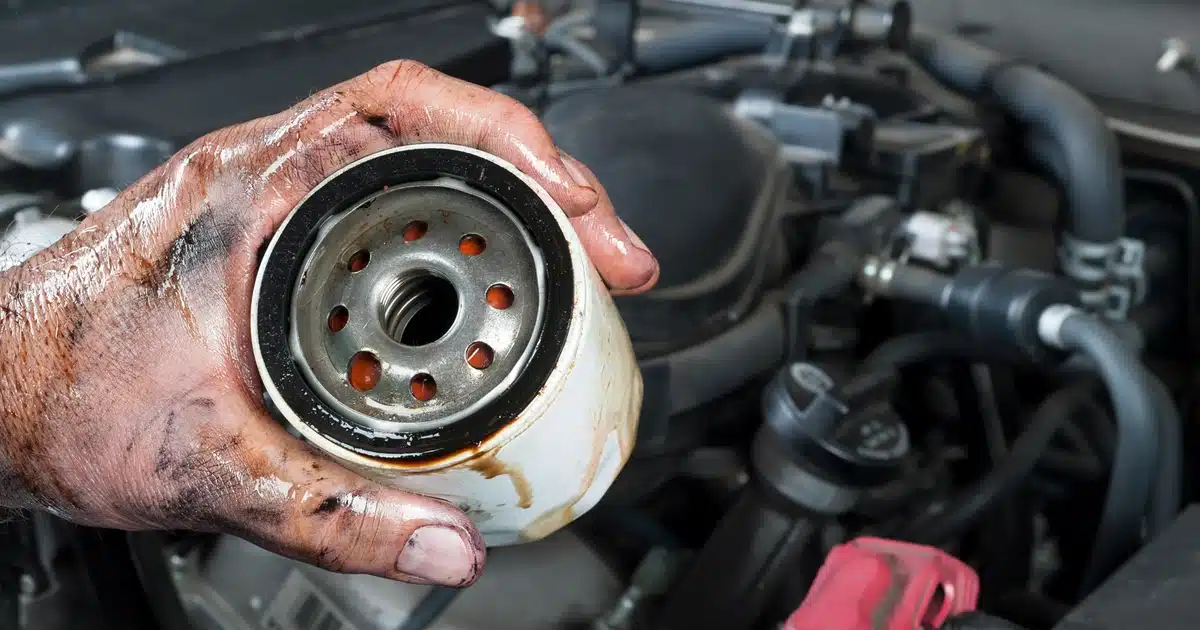 Routine inspections are the most effective way to prevent leak-related damage. While some degree of wear is inevitable as vehicles age, many oil and transmission fluid leaks develop gradually and can be identified early through consistent maintenance. Taking a proactive approach not only reduces the risk of major engine repair or transmission repair but also extends the lifespan of critical drivetrain components.
Check Fluid Levels Regularly
One of the simplest preventative steps is monitoring fluid levels on a regular basis. Engine oil and transmission fluid both serve essential lubrication and cooling functions. A sudden drop in fluid level may indicate a developing leak, even if no visible puddles are present.
Checking fluid levels monthly or during routine service appointments allows small issues to be detected before they escalate. Catching a minor engine oil leak repair early is far less costly than addressing internal damage caused by prolonged low oil pressure. The same applies to transmission fluid leak repair, where low levels can quickly lead to overheating and slipping gears.
Follow Manufacturer Service Intervals
Adhering to manufacturer-recommended maintenance schedules significantly reduces leak risk. Over time, old fluid becomes contaminated and loses protective properties. Degraded oil and transmission fluid can increase internal pressure and accelerate seal deterioration.
Routine fluid changes help maintain proper viscosity and reduce stress on seals and gaskets. Scheduled inspections also give technicians the opportunity to identify worn components before they begin leaking.
Address Small Leaks Promptly
Even minor drips should never be ignored. What begins as a small gasket seep can become a significant leak if left unattended. Early intervention prevents contamination, overheating, and expensive secondary damage.
Drivers who search for transmission repair near me or engine repair near me after noticing performance issues often discover that a previously ignored leak contributed to larger mechanical problems. Acting quickly protects both your vehicle and your budget.
Monitor Temperature Gauges
Overheating accelerates seal wear and fluid breakdown. Keeping an eye on temperature gauges helps detect cooling system problems that may indirectly lead to leaks. If your engine runs hotter than normal, prompt inspection can prevent additional stress on oil and transmission systems.
Respond Immediately To Check Engine Light Warnings
The check engine light may indicate fluid pressure irregularities, overheating, or sensor issues tied to lubrication systems. Seeking check engine light repair early prevents small concerns from escalating into costly engine repair or transmission repair.
Preventative maintenance reduces long-term repair costs and improves vehicle reliability. By staying proactive, Richmond drivers can minimize fluid leaks and keep their vehicles operating safely and efficiently.
Why Professional Diagnosis Matters
Fluid leaks may appear simple, but misdiagnosis can lead to repeated repairs. A professional transmission shop near me should identify the precise source of the leak before recommending repairs.
Magallanes Automotive Repair performs comprehensive inspection to locate leak origins accurately. By addressing root causes rather than temporary fixes, the shop helps Richmond drivers avoid recurring problems.
Schedule Oil Or Transmission Leak Repair In Richmond CA
If you notice fluid beneath your vehicle, slipping gears, overheating, or warning lights, do not delay service. Early intervention prevents minor leaks from becoming major failures.
Call (510) 235-6202 to speak with Magallanes Automotive Repair or contact the shop by visiting the contact page to schedule an inspection. Professional transmission repair, transmission fluid leak repair, and engine oil leak repair services help protect your vehicle’s performance and reliability on Richmond roads.