Why Is My Check Engine Light On?
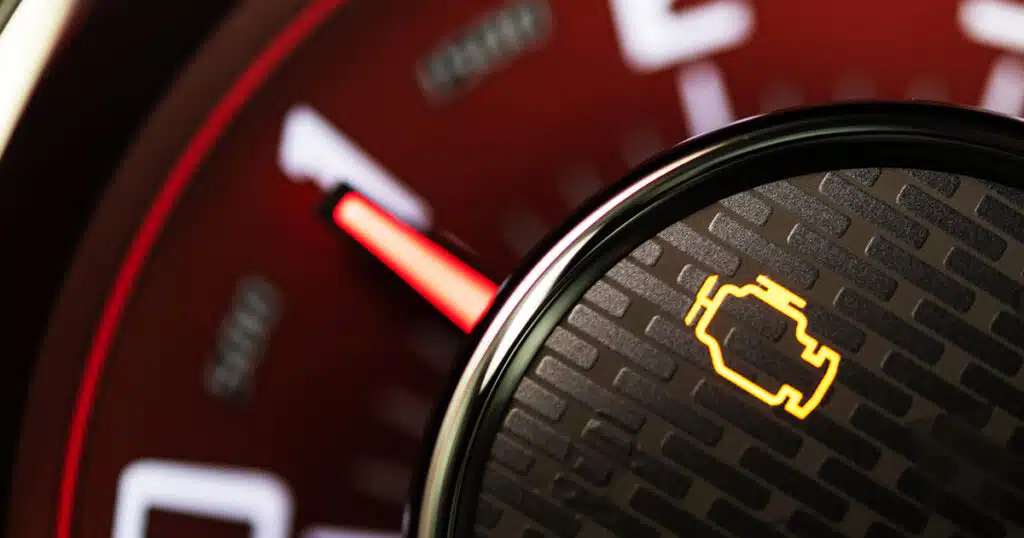
Few things cause more anxiety for drivers than seeing the check engine light come on. It often appears without warning, and since it doesn’t specify the problem, it can leave you wondering whether you’re safe to keep driving or if you need immediate repairs.
Understanding what triggers your check engine light can help you make an informed decision and avoid unnecessary stress. In this blog, we’ll explain the most common reasons it turns on, what you should do when it happens, and how an ASE-certified shop can help you get back on the road quickly.
What Does the Check Engine Light Mean?
Your vehicle’s check engine light is part of its onboard diagnostic system (OBD-II). When it comes on, it means the computer has detected an issue affecting the engine, emissions, or other key systems. While some problems are minor, others require prompt attention to prevent further damage.
A solid (steady) check engine light usually indicates a less urgent issue, while a flashing light signals a more serious problem, such as a misfire, that could damage the engine or catalytic converter. Either way, you should never ignore it.
Common Reasons Your Check Engine Light Comes On
There are dozens of possible causes, but these are the most frequent:
1. Loose or Faulty Gas Cap
Believe it or not, one of the simplest causes is also one of the most common. If your gas cap is loose, cracked, or missing, it can trigger the light. This happens because it disrupts the fuel vapor system, which maintains proper pressure in your tank. If you recently fueled up, check that the cap is tightly secured.
2. Oxygen Sensor Failure
The oxygen sensor measures how much unburned oxygen is in your exhaust and helps control fuel efficiency. A failing sensor can cause poor gas mileage and rough running. Ignoring it for too long can damage the catalytic converter, resulting in costly repairs.
3. Catalytic Converter Issues
The catalytic converter reduces harmful emissions by converting exhaust gases into less harmful compounds. If it fails, your car may run poorly, produce more emissions, and even fail a smog check. Replacing it quickly is critical to maintain performance and meet California emissions standards.
4. Spark Plug or Ignition Coil Problems
Spark plugs and ignition coils are responsible for igniting the air-fuel mixture in your engine. If either fails, your car may misfire, run rough, or stall. This issue is often accompanied by a flashing check engine light, which indicates a more urgent repair need.
5. Mass Airflow Sensor Failure
The mass airflow (MAF) sensor measures how much air enters your engine so it can adjust fuel delivery accordingly. A faulty MAF sensor can lead to poor fuel economy, hesitation, and even stalling.
6. Emissions-Related Issues
Sometimes, the light comes on due to emissions system problems, such as an evaporative emissions leak (EVAP leak). These are often linked to small leaks or faulty components within the emissions control system, which California’s strict standards require to function properly.
What Should You Do When It Turns On?
If your check engine light comes on, follow these steps:
-
Check Your Gas Cap – Make sure it’s tight and not damaged. If you recently refueled, tightening the cap may turn the light off after a few drives.
-
Pay Attention to Your Car’s Behavior – If it feels normal, it’s likely safe to drive short distances, but you should still schedule a diagnostic soon.
-
Watch for a Flashing Light – If it’s flashing, this signals a severe issue. Reduce speed, avoid heavy acceleration, and bring your car in immediately.
-
Schedule a Diagnostic Test – Even if your vehicle seems fine, ignoring the light can lead to worse (and more expensive) repairs over time.
How Diagnostics Work
Modern vehicles require specialized tools to read error codes from the onboard computer. These codes point technicians toward the issue—whether it’s a faulty sensor, ignition misfire, or emissions-related component. From there, a professional can perform further tests to confirm the exact problem and recommend the right repair.
At an ASE-certified shop, diagnostics go beyond simply reading the code. Technicians also inspect the related components and verify that the repair will solve the issue without unnecessary parts replacement.
Why You Shouldn’t Ignore It
Even if your car seems to be running fine, driving with the check engine light on can reduce fuel efficiency, harm your emissions system, and mask other developing issues. More importantly, what starts as a minor problem (like a sensor failure) can quickly escalate into something more serious and expensive if not addressed.
Additionally, in California, a check engine light can cause your car to fail its smog inspection. This not only prevents you from renewing your registration but also means you’ll need to pay for diagnostic and repair work before retesting.
Addressing Your Check Engine Light Quickly Saves Money
The sooner you address the check engine light, the more likely you are to avoid larger repairs. Something as simple as replacing a spark plug or gas cap now could prevent damage to costly parts like your catalytic converter or transmission later.
If your check engine light is on, don’t wait. A professional diagnostic will give you answers and peace of mind, helping you avoid unnecessary stress and expense.
Call Magallanes Automotive Repair Today
If your check engine light has come on, our ASE-certified technicians are here to help. We provide accurate diagnostics and expert repairs to get you back on the road quickly.
Call (510) 235-6202 today to schedule your diagnostic service.